iHerb has strict sourcing guidelines and draws from peer-reviewed studies, academic research institutions, medical journals, and reputable media sites. This badge indicates that a list of studies, resources, and statistics can be found in the references section at the bottom of the page.
According to the 2024 Council for Responsible Nutrition (CRN) Consumer Survey on Dietary Supplements, about 75% of Americans currently take some form of dietary supplements.
We invest a lot of time and money into selecting the most suitable supplements for ourselves and our families. The last thing we want is to improperly store them and have them spoil halfway through the bottle.
Vitamins and supplements normally break down and lose their potency over time. However, exposure to elements such as high heat, light, air, water, or humidity can accelerate the degradation of supplements. Proper storage is key to preventing your supplements from spoiling or losing potency prematurely.
Different types of supplements benefit from different storage conditions — some stay fresher in the refrigerator, others do best in a cool, dark place like a medicine cabinet. While it’s always best to follow the storage suggestions listed on each supplement’s packaging, read on for everything you need to know to properly store your supplements for peak potency.
In this article, I’ll explain how to properly store and handle dietary supplements. Let’s learn a few tips to help us protect our investment and health.
Why Proper Storage For Vitamins And Supplements Is Crucial
Proper storage is essential to maintain the potency, safety, and shelf life of your supplements. Even high-quality vitamins and minerals can degrade quickly when exposed to certain environmental factors. Nutrients degrade over time, especially when exposed to heat, light, and/or moisture. Certain nutrients, like water-soluble B vitamins and vitamin C, are particularly sensitive to the elements.
When supplements containing sensitive nutrients are stored improperly — say, exposed to high heat while kept in a cabinet over the stove top, left in the car on a hot summer day, or exposed to moisture in a bathroom cabinet — the nutrients in these supplements degrade. While this isn’t likely to cause harm, it does mean your supplements no longer contain the full potency of nutrients listed on the label.
Best Practices For Handling And Storing Supplements
Follow these tips for proper handling and storage of your supplements to maintain their potency and efficacy.
Read the Label
Although supplement manufacturers aren’t required to label storage conditions or expiration dates, most do. Before you open the container — or even purchase supplements — read the instructions on the label.
For example, you’ll notice that many liquid probiotics recommend refrigeration to maintain the viability of the cultures. If you purchase probiotics online, ensure the package is shipped overnight and in cool conditions (such as packed in ice).
Also, note the “best if used by” date on containers. Expired supplements should be properly discarded.
Pay Attention to Temperature
Sunlight, heat, moisture, and humidity diminish the shelf life of some medications and supplements. Unfortunately, the most common places people tend to store supplements are not the most ideal environments.
Supplements stored in kitchen cabinets may be exposed to heat from the stove, oven, or even under-cabinet lighting. And while the refrigerator may seem like an ideal spot for supplements, it can be a source of moisture or condensation. Likewise, humidity from steamy showers, baths, and sinks makes bathroom cabinets less than ideal. Finally, avoid leaving supplements in your purse or car.
Most non-liquid supplements should be stored in a cool, dark, and dry environment.
Store Supplements in Their Original Container
Supplement containers are designed to maintain the shelf life and potency of the nutrients they contain. Some contain desiccants to protect supplements from moisture. Others use opaque or amber-colored containers to protect from damaging ultraviolet (UV) light. Always keep supplements in their original containers and ensure you close the lid securely after taking them.
Keep Away from Children
Store all medications and supplements well out of reach of children, preferably in the tallest cabinet in your home, to prevent accidental ingestion. According to the Centers for Disease Control and Prevention (CDC), two children die each day due to accidental poisoning. Improper storage of medication and supplements is one of the causes of unintentional poisoning.
If you have children in the home (even if they only visit), place contact information for a poison control center in an easily visible spot and add it to your cell phone directory for quick access in an emergency.
Discard Unused Supplements Safely
Once you’ve gone through your medicine cabinet and pulled out any expired supplements, how do you dispose of them? Follow these tips from the Food and Drug Administration on how to safely discard supplements at home:
Mix them with something undesirable, like used coffee grounds, dirt, or cat litter.
Place the mixture into a sealable container, like an empty can or resealable storage bag.
Dispose of the container in the trash can.
Recycle the plastic container.
Alternatively, contact your local waste management service. Most collect and safely dispose of unused supplements and medications for you.
4 Enemies Of Proper Supplement Storage: Heat, Light, Moisture, And Air
The four biggest environmental threats — heat, light, moisture, and air — can all compromise nutrient stability in different ways. Understand how these elements damage supplement shelf life so you can protect the potency of your supplement stack.
How Heat Breaks Down Nutrients
Heat accelerates chemical reactions, which can cause vitamins and other active compounds to degrade more quickly. Heat-sensitive nutrients like vitamin C, B vitamins, and probiotics are especially vulnerable. High temperatures can reduce potency over time, even if you don’t notice any visible changes. Aim for consistent temperatures around 68 to 77 degrees Fahrenheit.
The Damaging Effects of UV Light
Exposure to light — especially UV light — can break down certain nutrients and active ingredients, altering their chemical structures and reducing effectiveness. Keep supplements in a dark cabinet or drawer. And choose supplements in amber or opaque bottles that block out light.
Why Humidity Is the Biggest Threat
Regardless of supplement form, moisture is one of the biggest enemies to shelf life. It can lead to physical and chemical changes in supplements from softening, clumping, or dissolving in capsules and tablets to promoting microbial growth, especially in powders and gummies. If your supplements come with a desiccant packet to help absorb moisture, leave it in the bottle until you’ve finished the last supplement.
The Impact of Oxygen on Supplement Stability
Exposure to oxygen in the air can oxidize sensitive nutrients in supplements, reducing their effectiveness and potentially leading to unpleasant odors and rancidity. Omega-3s are especially prone to oxidation. Keep lids tightly sealed and avoid opening your supplement bottles unnecessarily to help protect contents.
Heat Can Degrade Your Vitamins and Supplements
Heat is a major threat to supplement potency. Whether it’s from warm weather or storage above a stovetop, heat accelerates the chemical reactions (oxidation) that break down active compounds in supplements. And while taking degraded supplements isn’t necessarily unsafe, you’re almost certainly not getting their full benefits.
These signs suggest your supplements have been exposed to heat:
Humidity or condensation within the bottle
Liquid at the bottom of a dry capsule or tablet supplement bottle
Brown spots or discoloration on tablets
A sulfur smell for B-vitamins
A fishy smell for D vitamins
Maintaining supplement potency is essential to ensuring you receive the intended health benefits. Taking supplements that have expired or “gone bad” due to improper storage or handling can pose a safety issue if mold or bacteria are present. Always purchase from brands that undergo third-party lab testing and sellers who follow proper delivery methods to ensure the quality and safety of your supplements.
The Most Heat-Sensitive Vitamins You Should Protect
While all supplements decrease in potency and quality over time, water-soluble vitamins, probiotics, omega-3s, and other oil-based supplements are particularly sensitive to heat and require special storage.
Water-Soluble Vitamins
Water-soluble vitamins, including vitamin C and the B-complex vitamins, dissolve in water and are easily absorbed into the bloodstream. Your body doesn’t store water-soluble vitamins long-term, so you need to consume these nutrients regularly. Have you ever noticed bright yellow pee after taking a B-complex supplement? That’s because your body excretes any excess water-soluble vitamins through your urine.
Water-soluble vitamins have a delicate chemical structure that is easily broken, or denatured, by heat. Vitamin C, which is available in various forms, is particularly sensitive to heat, light, and oxygen. Always store water-soluble vitamins in a cool, dark place such as a cabinet, pantry, or medicine cabinet.
Probiotics
Probiotics are friendly bacteria and yeasts that improve gut health and provide other health benefits when taken in adequate amounts. They are found naturally in some fermented foods (like yogurt and kefir), added to some foods, and also available in probiotic supplements.
Because probiotics are live cultures, they are extremely vulnerable to heat. While different probiotic strains have different temperature thresholds, most begin to die at temperatures above 120 degrees Fahrenheit. Therefore, it’s important to choose probiotics that have been shipped under controlled-temperature conditions to maintain the viability of the strains. Always store live probiotics in your refrigerator, unless otherwise noted on the supplement packaging.
Omega-3s
Omega-3s and other oil-based supplements are also highly sensitive to heat. Omega-3s are essential polyunsaturated fatty acids that the body cannot produce on its own. High intake of omega-3s is associated with a range of health benefits, including reduced risk of coronary heart disease, improved cognitive function for those with mild cognitive decline, and better mental health.
As polyunsaturated fats, omega-3s contain multiple double bonds that are easily oxidized when exposed to heat. Oxidation alters the chemical structure, resulting in rancid oil and free radicals that can negatively impact health. Always store omega-3 supplements in a cool, dark place, such as a cabinet, pantry, or medicine cabinet.
Which Supplements Are More Stable In The Heat?
Nutrients like fat-soluble vitamins and most minerals are more stable, even when exposed to heat. That said, these nutrients may still lose potency when exposed to high or prolonged heat. Here’s how to increase shelf life and maintain their effectiveness.
Fat-Soluble Vitamins (A, D, E, K)
The fat-soluble vitamins are vitamins A, D, E, and K. These essential nutrients are best absorbed in the presence of dietary fat. The body stores excess intake of fat-soluble vitamins in body fat, so it’s important to stay within recommended limits when supplementing. Fat-soluble vitamins are more heat-stable because they don’t dissolve in water and have better thermal stability.
Most Minerals
Unlike vitamins, which are complex organic molecules from plants or animals, minerals are inorganic elements from soil and water. Minerals have simpler chemical structures than vitamins, making them more stable when exposed to heat, light, air, and other elements. In general, minerals like magnesium, calcium, and zinc have high heat tolerance.
That said, minerals are often available in different forms with different levels of stability and shelf-life. For example, magnesium is available as magnesium glycinate, citrate, oxide, and carbonate, and calcium is available as calcium carbonate and citrate. Minerals like calcium aren’t heat-sensitive and retain their nutritional value even when heated, such as during cooking or baking.
How Form Factor Matters: Gummies vs. Pills vs. Liquids
Supplements come in many different forms, including capsules, tablets, gummies, tinctures, and powders. Each form has its pros and cons when it comes to quality, stability, and ease of use. Let’s break down the differences.
Gummy Vitamins
Gummy vitamins are popular because they taste like candy, but with health benefits. Gummies are most popular among children who may have trouble swallowing capsules or pills. On the downside, gummy vitamins are prone to melting or clumping, may contain inconsistent nutrient values, and are often high in sugar, which can negatively impact gut and dental health. Because of their tendency to melt or clump, gummies tend to have a shorter shelf life than other supplement forms.
Liquid and Oil Supplements
Liquid and oil supplements may be ideal for those who have difficulty swallowing pills or capsules. However, liquids are less stable than solid forms of supplements and are more likely to degrade.
Powders
Powders easily clump when exposed to humidity, and this can be a sign of mold or bacterial growth. If you notice any clumping in a powdered supplement, it is no longer safe for consumption and should be discarded.
Capsules and Tablets
Capsules and tablets are generally the most stable form of supplements. Capsules have a protective shell that serves as a barrier against light, oxygen, and moisture, maintaining freshness and potency.
The Golden Rules of Supplement Storage
Finally, here are the golden rules for properly storing your supplement stack to maintain optimal quality, stability, and potency — and common missteps to avoid.
Best Practices for Storing Supplements
Store supplements in a cool (less than 73 degrees Fahrenheit), dry, dark place, such as a medicine cabinet or pantry.
Store supplements in their original container to avoid exposure to air, light, and heat.
If a desiccant (drying) packet was included, keep it in the bottle.
Only refrigerate supplements that require it on the label.
If you are ordering particularly sensitive products, like some probiotics, ask the merchant to send the products "cold" (with a cold pack intended to last the trip) or with overnight shipping to minimize heat exposure.
Wrong Ways to Store Supplements
Avoid storing supplements in a bathroom cabinet, which can increase exposure to hot, moist air from the shower or bath.
Avoid storing supplements in a cabinet above the refrigerator or stovetop, as these appliances can give off heat.
Avoid storing supplements in a windowsill to prevent exposure to excessive light and UV rays.
Don’t leave supplements in your car — take what you need with you and leave the rest at home. The temperature inside your car can quickly exceed even the warmest outdoor temperature.
Avoid ordering supplements by mail during excessively hot periods.
Frequently Asked Questions About Vitamin And Supplement Storage
Can I combine different pills in one bottle?
Experts recommend storing supplements in their original, labeled packaging to prevent accidental mix-ups, contamination, and loss of potency. Supplement containers are designed to help extend shelf-life with helpful features like opaque or amber-colored bottles, desiccants, or air-tight packaging for sensitive nutrients — and some have different storage requirements. That said, it’s fine to store different tablets or capsules together in one container or a pill organizer for short-term use, such as travel.
I left my vitamins in a hot car. Are they ruined?
Whether supplements are ruined after being left in a hot car depends on how long they were in the car and how high the temperature inside the car reached. Supplements start to degrade when they are exposed to temperatures above 120 degrees Fahrenheit for several hours to days. While they may not be ruined, inspect them for signs of rancidity, off odors, mold growth, condensation, or other signs of spoilage.
Is it safe to take expired vitamins?
Consuming expired vitamins is generally safe. However, vitamins lose potency over time — so expired vitamins may no longer contain the nutrient doses listed on the label. Always aim to consume supplements within their best-by window, which is usually listed on the supplement packaging.
How do I safely dispose of old supplements?
Safely dispose of old supplements by taking them to a drug take-back program offered by many local drug stores or through a mail-back program. If neither of these is an option, dispose of old supplements in your household trash by removing them from their packaging and mixing them within the garbage so they’re less appealing to children and pets, and less likely to be consumed by someone going through the trash.
What is the best way to travel with supplements?
Keep supplements fresh during travel by storing them in a travel pill organizer and bringing only what you need for the duration of your trip. When flying, keep supplements in your carry-on to avoid exposure to extreme temperatures and ensure you have them if your luggage gets lost. If traveling by car, store supplements in a cool, shady part of the vehicle. Never leave supplements in a glove compartment, dashboard, or cupholders where they may be exposed to excess heat and sunlight.
Do probiotics need to be refrigerated?
Most probiotics, especially those purchased in the refrigerator section, need to remain in the refrigerator. Some probiotics are freeze-dried, making them shelf-stable at room temperature. However, even shelf-stable probiotics can benefit from refrigeration to support and maintain their potency.
How can I tell if my supplements have gone bad?
If you suspect your supplements may have gone bad, look for these four signs that they are past their prime: a rancid or off-putting smell, especially with fish-oil supplements; brown spots or discoloration; liquid separation, sedimentation, or cloudiness; or black, white, or green mold growth or fuzzy texture. If your supplements display any of these signs, avoid consuming them and dispose of them safely.
Takeaway
You invest time and money building a routine of high-quality supplements to support your health and wellness. How you store your supplements plays a crucial role in their shelf life and potency — and whether you receive their full benefits. In general, the best way to prolong supplements’ freshness is by keeping them away from heat and sunlight. Follow the tips in this article to maintain the safety and effectiveness of your supplements. And always refer to each supplement’s package directions for specific instructions on proper storage, especially after opening.
References:
Nutraceuticals World. (2024). CRN Consumer Survey Finds Consistent Supplement Usage and Trust in Safety.
Probiotics - Health Professional Fact Sheet. Accessed February 24, 2026.
DISCLAIMER:
These statements have not been approved by the Food and Drug Administration. These products are not intended to diagnose, treat, cure, or prevent disease.
Shop This Article
Keep Learning
Sulforaphane Explained: What Is This Powerful Compound and How to Get More of It
by Britta Sather, L.N.
1,143 Views
Bariatric Vitamin Nausea? Here’s What You Can Do
by Dr. Lillian Craggs-Dino, DHA, RDN, LDN
2,523 Views
My Daily Routine: How a Doctor of Eastern Medicine Builds a Day Around Wellness
by Dr. Jenelle Kim, DACM, L.Ac.
3,863 Views
Castor Oil in Your Belly Button: What the Science Actually Says About the Navel Pulling Trend
by Dr. Michael Murray, N.D.
106,572 Views
Lactoferrin Benefits: How This Milk-Derived Protein Supports Immune Health
by Dr. Michael Murray, N.D.
58,541 Views
What Are Phospholipids? Functions and Health Benefits
by Pooja Mahtani, PharmD
5,534 Views
The Science of Supplements: How Vitamin Delivery Systems Have Evolved
by Dr. Saru Bala, N.D.
13,775 Views
5 Foundational Supplements That Have Stood the Test of Time
by Dr. Jenelle Kim, DACM, L.Ac.
13,164 Views
Lysine: Benefits, Foods, Dosage, and Safety
by Dr. Michael Murray, N.D.
68,771 Views
Bilberry for Eye Strain and Digital Screen Fatigue
by Christine Alstat, N.D.
10,532 Views
1996 vs. 2026: How Our Wellness Routines Have Changed in 30 Years
by Dr. Ellen Albertson, Ph.D., R.D.N.
10,126 Views
Beef Liver Supplements: Benefits, Dosage, and Safety

























































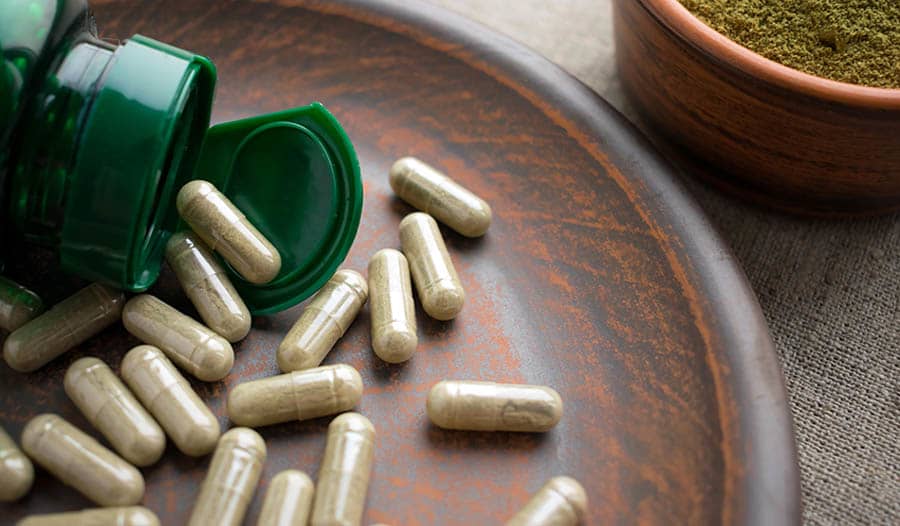
 Table of Contents