Key Takeaways
- Circulation is responsible for moving blood throughout the body: Healthy blood flow helps deliver oxygen and nutrients where they’re needed.
- Everyday habits can influence circulation: Physical activity, hydration, nutrition, and tobacco use may all affect blood flow.
- Movement is one of the most effective ways to support circulation: Walking, stretching, and regular exercise help keep blood moving throughout the body.
- Certain foods and nutrients are often associated with circulatory health: Foods rich in antioxidants, omega-3 fats, and nitrates are frequently included in circulation-focused diets.
- Poor circulation can have many potential causes: Age, underlying health conditions, and lifestyle factors may all contribute to changes in blood flow.
You may rarely think about the blood that circulates through you on a constant basis, but it’s a natural—and beautiful—part of being alive. Indeed, the human body holds roughly eight pints of blood and more than 60,000 miles—yes, miles—of blood vessels, working tirelessly behind the scenes to ensure your well-being.
And yet, when your circulation isn’t functioning properly, it can cause a cornucopia of health complications.
Why?
Because your blood flow, which is powered by your heart, is responsible for a host of biological purposes, from supplying your cells with oxygen and nutrients to detoxification, which is accomplished by bringing waste materials to the liver for removal and to the kidneys. It also impacts your lymphatic system, which houses your immune system—an indispensable aspect of the human body that shields you from pathogens.
Ideal blood flow, however? You’ll experience greater energy, clearer thinking and a body that’s devoid of aches and pains.
Let’s dive in to learn more—and find out how to enhance it.
What Are the Symptoms of Poor Circulation?
Poor circulation is often mostly keenly felt in your extremities (your legs, arms, hands, and feet), where you may sense numbness, tingling, or coldness. But this isn’t the only symptom. Others include:
- Swelling, frequently in the legs, arms, and stomach.
- Fatigue.
- Bloating.
- Edema or the accumulation of fluid in certain areas of the body.
- Varicose veins.
- Discolored skin, in which you may see your flesh become splotchy, tinged with blue, or even red.
- Chest pain.
- Bulging veins.
What Are the Reasons Behind Poor Circulation?
It’s important to note that poor circulation isn’t a condition in itself; rather, it’s usually a sign of an underlying health issue. (Also critical to note: It should not be ignored.) These include:
- Atherosclerosis or the narrowing of blood vessel walls.
- Peripheral artery disease (PAD).
- Plaque build-up.
- Blood clots.
- Obesity.
- Diabetes.
- High blood pressure or cholesterol.
- Alcohol and drug misuse.
- Cardiovascular disease.
- Raynaud’s Syndrome.
In other words? If you present with any of the conditions listed above, it’s crucial to seek out the counsel of your health care practitioner. In severe conditions, if poor circulation is left untreated, it could lead to undesirable consequences such as tissue death, infection, and even amputation.
How to Improve Circulation
Fortunately, there are a host of ways to improve your circulation—and naturally at that. Here are seven savvy ways to do so:
1. Prioritize hydration
Life can get so hectic that you may forget to drink an adequate amount of water. Keep in mind, though, that blood consists of nearly half water. Aim for a minimum of eight glasses per day, and amp up your intake if you’re dehydrated, sweating a lot on a hot day, or exercising.
Which brings us to our next point…
2. Get your blood pumping—literally
Exercise is key to your well-being—and especially helpful for those with poor circulation. How so, you may ask? Because it aids in heart health, which, in turn, assists your blood in moving more swiftly through your body. While any form of exercise is beneficial, movement that involves the whole body, like running or working out on an elliptical trainer or a stationary bike, is particularly effective in promoting optimal circulation, in that they encourage the movement of blood and lymph.
Also tremendously valuable? Yoga! Not only does the ancient practice boost cardiovascular health, but it also helps the lungs take in more oxygen and stretches your fascia. (Hence, the “yoga high” practitioners frequently feel after a great class.) Viparita Karani, or legs up the wall pose, is just one posture that fosters better circulation, as it helps move the blood in your legs back through your body and towards your heart.
3. Try body tapping
Sound…unusual? Perhaps. But body tapping is an increasingly popular natural health practice, based on acupuncture and psychology. It facilitates lymphatic drainage, as well as increased blood flow and qi—or life force. It also aids in “waking up” the nervous system.
Simply tap your skin gently with your fingertips along your arms, legs, abdomen, neck, and easily reached areas of your body for one to five minutes, focusing especially on areas that seem tight, sore, prickly, or full of fluid. Tapping can help warm up your fascia and prep you up if you’re about to do an exercise or yoga class. And as it increases circulation, it can help you to relax if you’re feeling stressed and agitated during the day.
4. Get your heat—and cold—on
Hydrotherapy, a standard naturopathic practice, can be a huge boon for those whose blood flow isn’t as smooth as it ought to be. Heat creates vasodilation, which transports blood to the periphery of the body, while cold generates vasoconstriction, which moves blood into the core of the body. You can accomplish this by using extreme heat, alternated with extreme cold, on a certain part of your body—say your knee—or through a full-body immersion in a sauna, followed by a cold water plunge.
It’s always best to alternate hot with cold, three times, and always end with cold. Consider a health-boosting spa day!
5. Brush your body—literally
Body brushing—also known as dry brushing—is often synonymous with clearer, brighter skin, thanks to its exfoliating qualities. (In short, body brushing uses a hard-bristled brush against dry skin.) And yet, it’s also a godsend for circulation, as it, too, stimulates lymphatic drainage, bolsters the immune system, and has a calming effect on an overactive nervous system, which in itself can result in poor circulation.
My recommendation? To brush your skin backward, from the toes and fingertips up towards your heart.
6. Fill your plate wisely
A number of delicious eats naturally encourage smoother, solid circulation. Pomegranates, for example, offer blood flow support in that they’re rich in nitrate, which assists the body with synthesizing nitric oxide, which causes that aforementioned vasodilation (and is frequently used to help lower blood pressure). Beets have a wealth of nitrate as well, while fatty fish provokes the release of nitric oxide within the blood vessel lining.
Another thing to keep an eye out for at the market? Foods high in L-arginine. These include nuts and seeds, chicken, soybeans, seaweed, and legumes—all of which are also wonderfully nutritious.
7. Supplement smartly
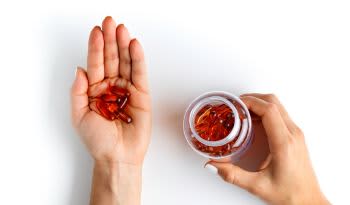
Several supplements organically promote enhanced circulation by increasing that just-mentioned nitric oxide. Ginger, for example, is deemed energetically warm from a Chinese medicine perspective and naturally supports better blood flow. Horny goat weed has a similar effect as well because it supports healthy nitric oxide levels. Meanwhile, beet extracts aid in healthy circulation.
Most of all, ensure you take great care of your mind, body, and heart in tip-top shape. Your circulation—and entire self—will thank you.
DISCLAIMER:
These statements have not been approved by the Food and Drug Administration. These products are not intended to diagnose, treat, cure, or prevent disease.

























































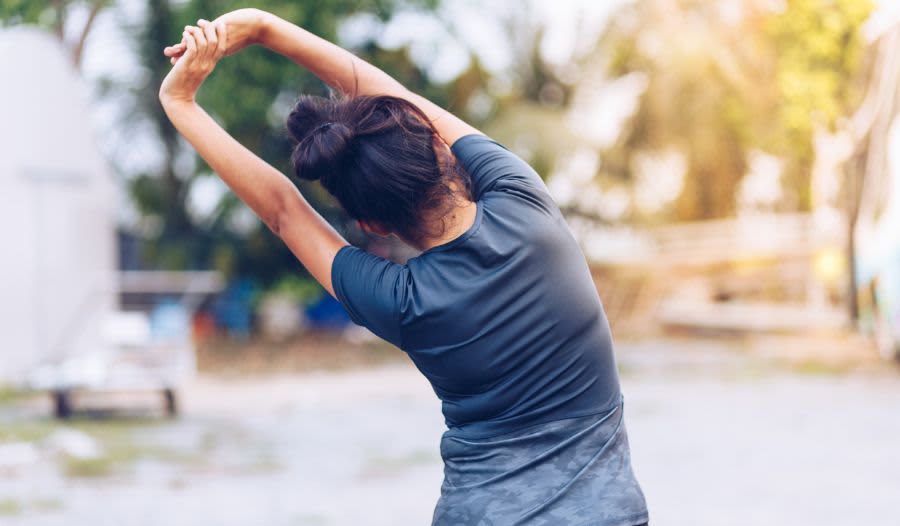
 Table of Contents